

Construction/Building debris RecyclingConstruction & Demolition Recycling
Construction Waste Recycling Equipment


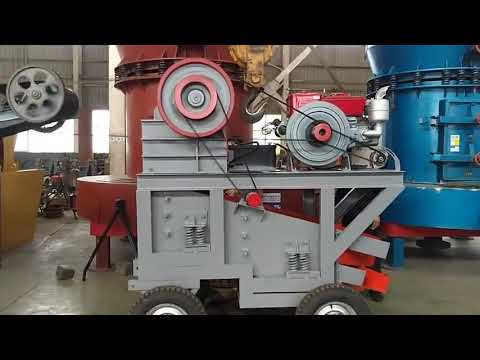


Basic data
- Machine type:
- Construction/Building debris Recycling
- Manufacturer:
- Construction & Demolition Recycling
- Year of construction:
- 2026
- Condition:
- new
- Functionality:
- fully functional
Price & Location
- Location:
- Dahuangye Industrial zone, XinXing East RD, Gongyi, 451200 Zhengzhou, China
Technical details
Dimensions and weight
Motor and gearbox
Axles and wheels
Further details
Details about the offer
- Listing ID:
- A145-11655
- Update:
- 06.03.2026
Description
---
## 1. The Engineering Logic: From Waste to Wealth
Hfsdpfxoq I Nvio Aqgon
In a traditional setup, demolition waste is hauled to a landfill—a process that is expensive, carbon-heavy, and wasteful. A mobile crusher flips the script. It brings the factory to the waste. By processing materials on-site, contractors save on transport costs and produce "Road Base" or "Sub-base" materials immediately.
### Key Components of a Mobile C&D Plant:
* Vibrating Feeder: Uses a "Grizzly" bar system to pre-screen fines (dirt/sand) so the crusher only works on the big stuff.
* Crushing Unit: Usually a Jaw Crusher (for primary compression) or an Impact Crusher (for better grain shape and higher reduction ratios).
* Magnetic Separator: This is the "secret sauce" for C&D waste. It pulls out rebar and scrap metal that would otherwise contaminate the recycled aggregate.
* Discharge Conveyor: Transports the finished product to a stockpile.
---
## 2. Technical Specifications & Performance
When evaluating these machines, "Throughput" ($TPH$ or Tons Per Hour) is the metric that matters. For C&D recycling, the machine must handle unpredictable feed sizes and varied material hardness.
### Typical Technical Specifications Table
| Feature | Specification Range | Why it matters |
| --- | --- | --- |
| Throughput | 100 – 500 $t/h$ | Determines project timeline efficiency. |
| Max Feed Size | 500mm – 1,100mm | Dictates if you need a hydraulic breaker first. |
| Power Source | Diesel-Electric or Hydraulic | Dual power (Electric) is better for urban noise/emissions. |
| Crusher Type | Jaw or Impact | Impactors provide a more "cubic" final product. |
| Mobility | Crawler Tracks | Essential for moving over uneven rubble piles. |
---
## 3. The "C&D" Specialization
Recycling construction waste isn't just about "breaking rocks." It’s about cleaning material. Modern mobile units are equipped with:
1. Over-belt Magnets: Specifically designed to lift heavy steel reinforcement bars (rebar) out of the crushed concrete flow.
2. Dust Suppression: High-pressure misting systems to keep neighbors happy and workers healthy in tight urban environments.
3. Active Pre-screening: Removing sticky soil or asphalt fines before they enter the crushing chamber to prevent "plugging."
> The Insight: Using a mobile crusher can reduce project carbon footprints by up to 40% simply by eliminating the "truck-in, truck-out" logistics of aggregate management.
---
## 4. Maintenance and Longevity
Because C&D waste is highly abrasive (and often contains "surprises" like wood or plastic), maintenance is non-negotiable.
* Jaw Plates: Must be flipped or replaced regularly to maintain the "Closed Side Setting" (CSS), which determines the size of your output.
* Blow Bars: In impact crushers, these are the high-wear items that take the brunt of the force.
---
Would you like me to compare the cost-effectiveness of Jaw vs. Impact crushers for a specific type of demolition project, or perhaps look into the environmental regulations regarding on-site crushing?
Seller
Registered since: 2024
50 listings online

Send inquiry
Telephone & Fax

Used-Machines Trust Seal
What is the trust seal?
Used-Machines certifies selected sellers with the Used-Machines trust seal. Before approval, a standardized and comprehensive check is carried out by experienced Used-Machines staff.
What do we verify?

Check of
trade licence or commercial register extract
Verification of the dealer's
postal address
Validation of the
banking details
Verification of
accessibility to
main phone number
Credit report
may not contain negative criteria
Buyer complaints
can lead to withdrawal of the sealWhat does this mean for you as buyer?
The Used-Machines trust seal enables you, as a buyer, to identify trustworthy sellers who are very likely to do honest and righteous business, without having to do your own investigation.
Disagreements may of course still arise during the purchasing process. Used-Machines is not liable for any legal violations by buyers or sellers active on Used-Machines.